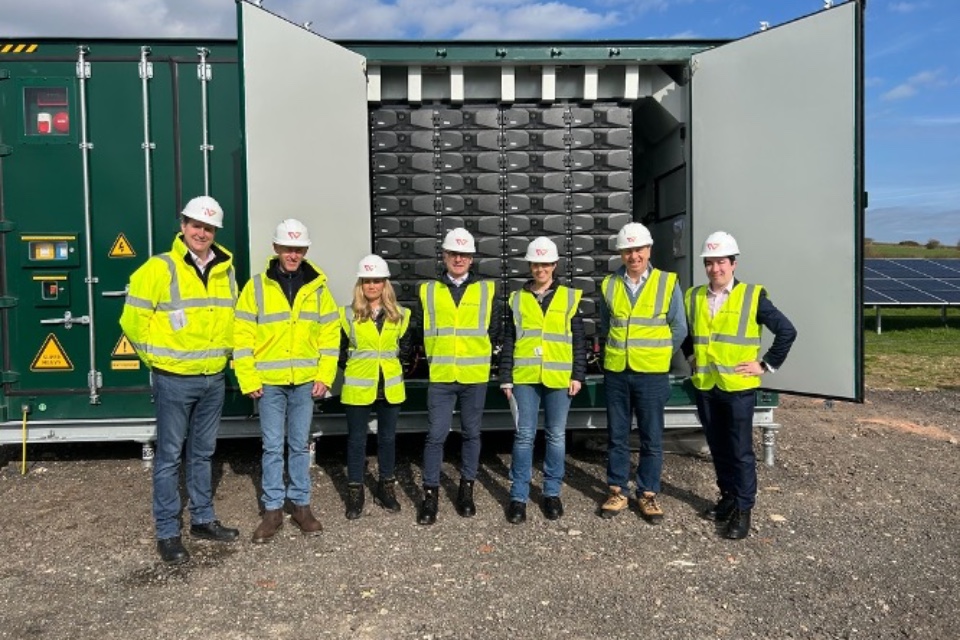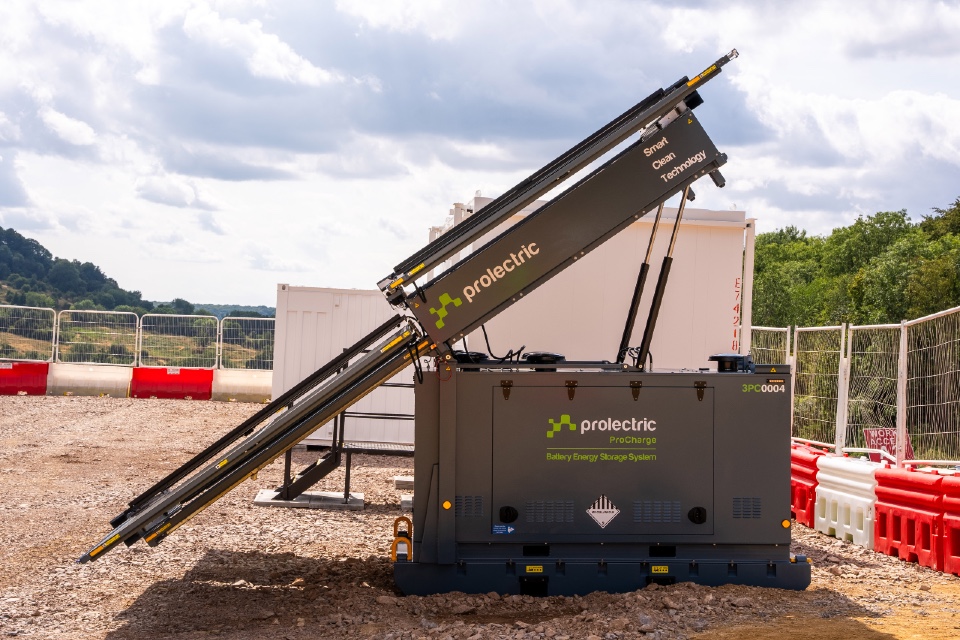
Battery energy storage systems (BESS) are expected to become an increasingly important part of the global energy mix over the next five years, with installed capacity forecast to increase sixfold by 2030, according to new research from GlobalData.
The market intelligence firm’s latest report predicts global battery storage capacity will grow at a compound annual growth rate (CAGR) of 42% between 2025 and 2030, driven by accelerating electrification, expanding renewable energy generation, growing demand from AI-enabled data centres and continued reductions in lithium-ion battery costs.
For energy managers, the report highlights the growing role of battery storage in improving energy resilience, reducing electricity costs and enabling greater use of renewable energy across commercial and industrial operations.
China and the United States are expected to remain the dominant markets, accounting for almost three-quarters of global installed battery storage capacity at the end of 2025. However, GlobalData notes that momentum is also building in markets including the UK, Australia and the Middle East, where battery projects are increasingly supporting renewable generation and strengthening grid flexibility.
A key trend identified by the report is the industry’s shift towards four-hour battery systems rather than shorter-duration installations. Longer-duration storage allows organisations and utilities to capture excess renewable electricity generated during periods of high solar or wind output before releasing it during evening demand peaks, improving both network stability and asset utilisation.
The research also points to growing investment in co-located renewable energy and storage projects. Combining solar generation with battery storage on the same site enables organisations to maximise self-generated electricity, reduce curtailment and make more efficient use of constrained grid connections while improving project economics.
For organisations managing large energy loads, battery storage is also becoming an important tool for managing peak demand and improving operational resilience. The report suggests batteries will play an increasingly significant role in supporting data centres by providing rapid-response backup power, smoothing fluctuations in electricity demand and helping facilities operate within grid connection limits while expanding capacity.
GlobalData argues that the value proposition for battery storage is shifting beyond traditional grid support services towards energy shifting, enabling organisations to store electricity when prices are low or renewable generation is abundant before using it during periods of higher demand and higher tariffs.
As battery costs continue to fall and revenue opportunities expand through flexibility markets, demand response and renewable integration, the report suggests energy storage is becoming a strategic investment for organisations seeking to strengthen energy resilience, improve sustainability performance and reduce long-term energy costs.
Photo by Igor Omilaev on Unsplash