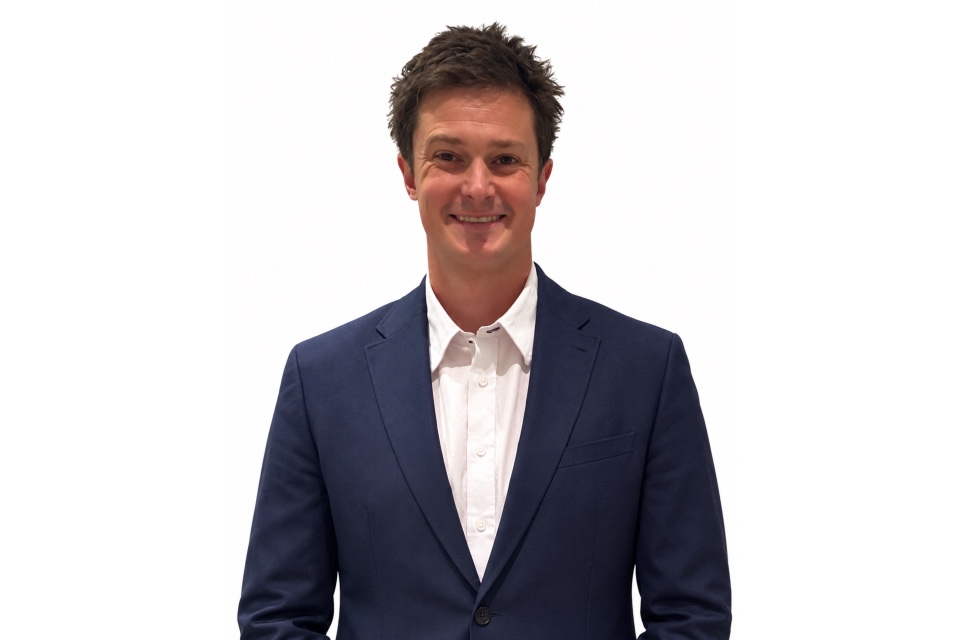
With energy costs, grid constraints and decarbonisation targets continuing to challenge UK organisations, effective energy management increasingly means looking beyond individual technologies to the bigger picture. In our latest 5 Minutes With, Adam Bottery, Commercial Director at egg, discusses why businesses need a more holistic approach to energy, the growing role of solar and battery storage, and why cutting through complexity could be key to accelerating the transition to cleaner energy…
Tell us about your company, products and services.
egg is the clean energy partner to UK business and the public sector. Our Energy Partnership Agreement brings three things under one roof: energy management (audits, compliance, cash and carbon strategy), clean technology (design, install, maintain, optimise) and a managed service, where egg funds and maintains the assets, so customers don’t need to find capex. We focus on logistics, retail, manufacturing and the public sector, and we take on the admin nobody wants, G99s, MPAN data, DNO applications, so customers can get on with running their business. We’re technology agnostic and supplier agnostic, we design solar, storage, EV charging and heat around the customers outcomes not a set technology we stock.
What have been the biggest challenges the Energy Management industry has faced over the past 12 months?
I could go with the obvious – Energy costs have stayed brutally high, UK industrial electricity is still among the most expensive in the G7, and that’s hitting manufacturers hardest. Grid capacity has turned straightforward projects into long waits, a depot charging connection can take nine to twelve months. And a lot of boards sat on their hands waiting for clarity on government support before committing, even when moving sooner would have saved them more. However, for me it always comes down to the same issue – energy has been made too complicated and that’s an issue that stems back far more than 12 months.
And what have been the biggest opportunities?
ESG pressure is moving down supply chains, so large retailers and manufacturers are pushing their own suppliers to decarbonise, which widens who we can help. And no capex models, like our managed service, are removing the single biggest reason projects used to stall.
What is the biggest priority for the Energy Management industry next year?
To look at Energy usage holistically – that’s all forms of energy usage and not just at today’s levels but future requirements as well. It’s about coming up with a plan that delivers short, medium and long-term gains, and not making the wrong choice for today that impacts improvements in the future.
What key trends do you expect to shape the market over the next twelve months?
Estate level thinking will keep gathering pace, businesses planning across a whole site or portfolio rather than roof by roof or car park by car park. HGV and depot electrification will move from pilot projects to live infrastructure. And more businesses will treat solar and storage as one system rather than two separate purchases
What technology is going to have the biggest impact on the market this year?
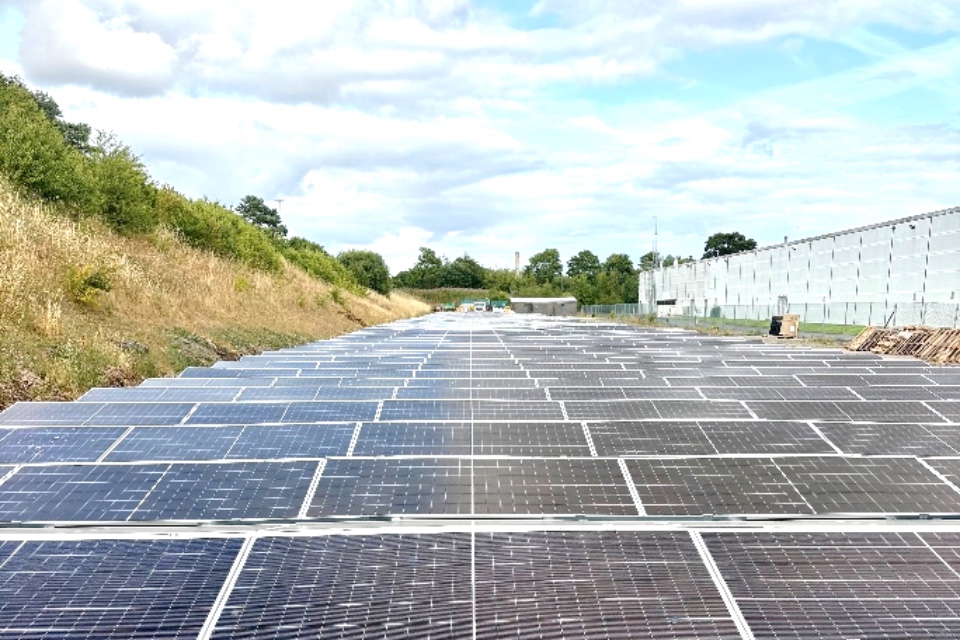
Technology wise – Battery storage paired with solar. Solar on its own is good, add storage and a business can use far more of what it generates, sidestep expensive grid upgrades, and get real protection from price volatility. Solution wise – truly off balance sheet, capex free funding solutions where a customer buys an outcome not a piece of equipment
Next year we’ll all be talking about…?
Grid capacity, and whether connection reform actually delivers shorter queues rather than just a new set of rules.
Which person in, or associated with, the Energy Management industry would you most like to meet?
Miatta Fahnbulleh, Secretary of State for Energy Security and Net Zero. She’s setting the direction on the schemes and grid reforms that decide how fast British business can decarbonise. I’d want five minutes to make the case for business, not just households.
What’s the most surprising thing you’ve learnt about the Energy Management sector?
That technology was never the hard part. Solar, batteries, chargers. Heat pumps all work and have done for many years. What stops businesses moving is admin and complexity, G99 forms, DNO applications, half hourly data, procurement frameworks, legal contracts and funding confusion. Solve this and we will be able to move forwards
You go to the bar at the Energy Management Summit – what’s your tipple of choice?
Real Ale – Egg is Sheffield base and we have a number of great Brewery’s up here – or a Gin and Tonic
What’s the most exciting thing about your job?
Sitting across logistics, retail, manufacturing and the public sector, and watching the same simple idea work everywhere: cut the bill and cut the carbon at the same time
And what’s the most challenging?
Keeping it simple for the customer while the market around us gets more complicated, more schemes, more rules, more acronyms. That’s the whole point of egg, we absorb the complexity so customers don’t have to, but it means we have to work twice as hard behind the scenes.
What’s the best piece of advice you’ve ever been given?
Customers want to find a solution to their problems that deliver the outcomes they need, they don’t want to buy equipment. When I first came into the industry someone told me nobody buys a solar panel, they buy a lower bill, a carbon reduction and a good story to tell their board.
Peaky Blinders or Stranger Things?
Peaky Blinders.
Learn more about egg: egg | Save cash, cut carbon