Believe it or not, reliable access to energy is becoming a strategic concern for organisations across both the public and private sectors. Increasing electricity demand (such as during the May and June UK heatwaves), the growth of renewable generation, ageing infrastructure and more frequent extreme weather events (ditto) are all contributing to greater uncertainty around energy supply…
For organisations operating critical facilities, manufacturing sites, healthcare environments, data centres or public services, even a short disruption to electricity supply can have significant operational and financial consequences.
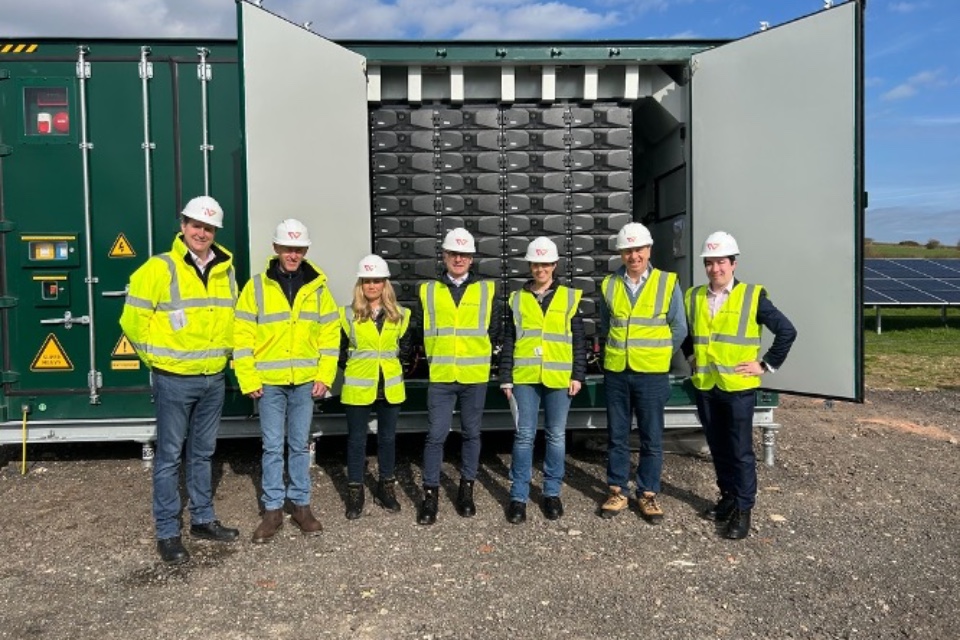
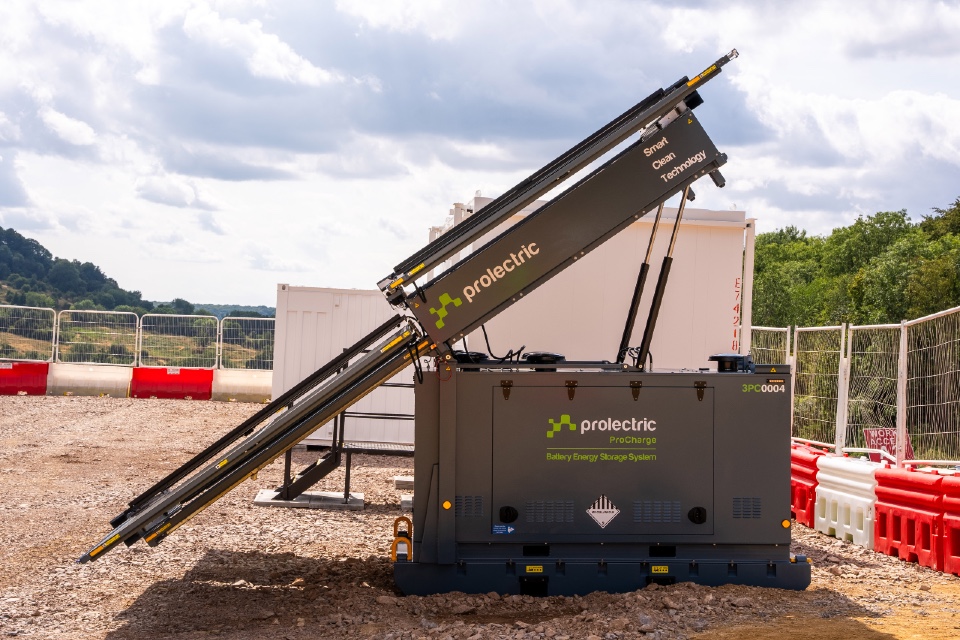
As a result, energy resilience is becoming an increasingly important element of facilities management, business continuity and sustainability strategies. Battery energy storage systems (BESS) are emerging as a key technology, enabling organisations to improve resilience while supporting broader decarbonisation objectives.
Grid Instability Is Driving New Investment
The UK’s electricity network continues to evolve as greater volumes of renewable energy are connected to the grid and electricity demand increases through electrification. Although the grid remains highly reliable, organisations are increasingly considering how they would respond to:
- local power outages;
- voltage fluctuations;
- peak demand constraints;
- extreme weather events; and
- planned maintenance interruptions.
Battery storage allows organisations to reduce reliance on external energy supplies by storing electricity for use when grid conditions become less favourable or unavailable.
Rather than simply acting as backup power, battery systems are increasingly supporting wider energy optimisation strategies.
Supporting Critical Infrastructure
For many organisations, uninterrupted operations are essential. Critical infrastructure sectors such as healthcare, emergency services, transport, utilities and data centres have traditionally relied on diesel generators to maintain continuity during power outages. Increasingly, battery storage is being integrated alongside existing backup systems to provide:
- faster response times;
- seamless transition during outages;
- reduced emissions;
- quieter operation; and
- improved energy efficiency.
In some cases, batteries are also helping reduce generator operating hours and fuel consumption, supporting both resilience and sustainability goals.
Microgrids and Distributed Energy Systems
Battery storage is becoming a core component of modern microgrids. By integrating battery systems with technologies such as:
- solar photovoltaic (PV) installations;
- wind generation;
- combined heat and power (CHP);
- standby generation; and
- advanced energy management systems,
Organisations can create local energy networks capable of operating independently from the main grid when required. These distributed energy systems can improve resilience while providing greater flexibility in how energy is generated, stored and consumed. For organisations with multiple sites, microgrid technologies can also support long-term energy security strategies.
Resilience Requires Strategic Planning
Installing battery storage alone does not guarantee resilience. Successful projects begin with a comprehensive assessment of organisational requirements, including:
- identifying critical loads;
- determining acceptable downtime;
- evaluating backup power requirements;
- understanding energy usage patterns; and
- assessing future growth.
This information helps ensure battery systems are appropriately sized and integrated into wider business continuity planning.
Energy Resilience Assessment Checklist
When assessing organisational resilience, energy managers should consider:
- Critical operational processes
- Maximum acceptable downtime
- Existing backup power arrangements
- Site energy demand profiles
- Renewable energy generation opportunities
- Battery storage suitability
- Grid dependency risks
- Emergency response procedures
- Maintenance and testing schedules
- Long-term resilience objectives
Storage and Backup Planning Framework
Successful battery storage projects should include:
- Business continuity assessment
- Critical load identification
- Energy demand analysis
- Technology selection
- Integration with existing infrastructure
- Cybersecurity and operational resilience planning
- Regular testing and maintenance
- Performance monitoring and optimisation
Supplier Evaluation Checklist
When selecting battery storage and resilience technologies, organisations should assess:
- System performance and reliability
- Battery safety certifications
- Scalability and future expansion
- Integration with existing energy systems
- Monitoring and analytics capabilities
- Cybersecurity protections
- Maintenance and lifecycle support
- Warranty provisions
- Supplier financial stability
- Experience delivering resilience projects
Product Guide: Energy Resilience Solutions
Battery Energy Storage Systems
- Fluence
- Tesla Megapack
- Wärtsilä Energy Storage
- Sungrow
- BYD Energy Storage
Microgrid & Distributed Energy Solutions
- Schneider Electric EcoStruxure Microgrid
- Hitachi Energy
- GE Vernova
- Siemens Grid Software
- Eaton Brightlayer
Energy Monitoring & Optimisation
- GridBeyond
- Schneider Electric EcoStruxure
- ABB Ability Energy Manager
- Siemens Building X
- Honeywell Forge Performance+
Backup Power & Resilience Technologies
- Centrica Business Solutions
- Eaton
- Socomec
- Rolls-Royce Solutions (MTU)
- Aggreko
The most appropriate solution will depend on operational criticality, site infrastructure, resilience objectives and long-term energy strategy.
Resilience Is Becoming as Important as Efficiency
For many organisations, energy management is no longer focused solely on reducing consumption or lowering costs. Increasingly, the emphasis is on ensuring operations can continue in the face of disruption while supporting sustainability and net zero commitments.
Battery storage is becoming a cornerstone of this approach, providing greater flexibility, improved energy security and enhanced business continuity. Organisations that combine battery technology with robust planning, intelligent energy management and resilient infrastructure will be better equipped to manage future grid uncertainty while strengthening operational performance.
Are you searching for Energy Storage solutions for your organisation? The Energy Management Summit can help!
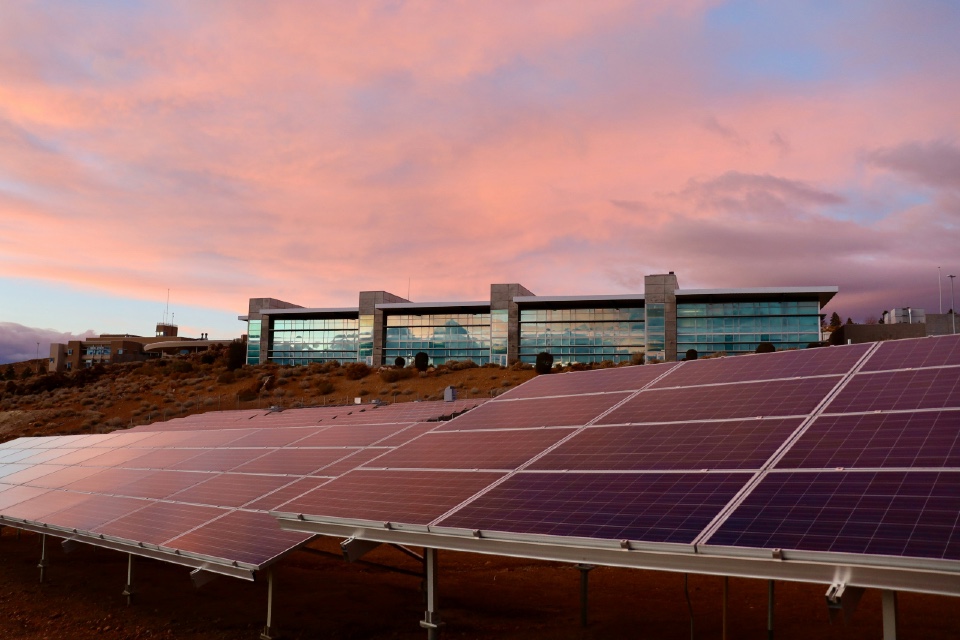
Photo by Manny Becerra on Unsplash