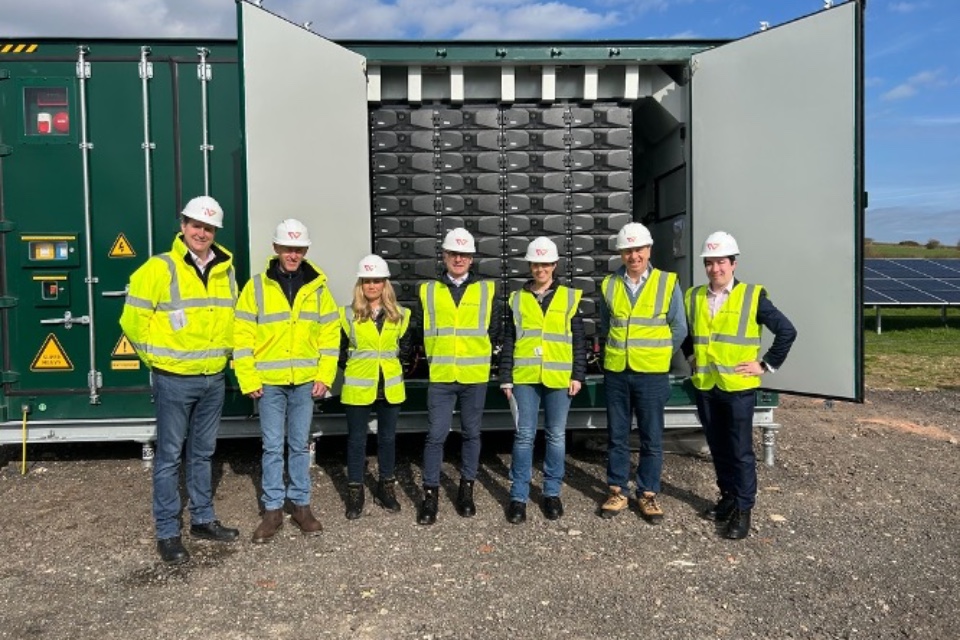
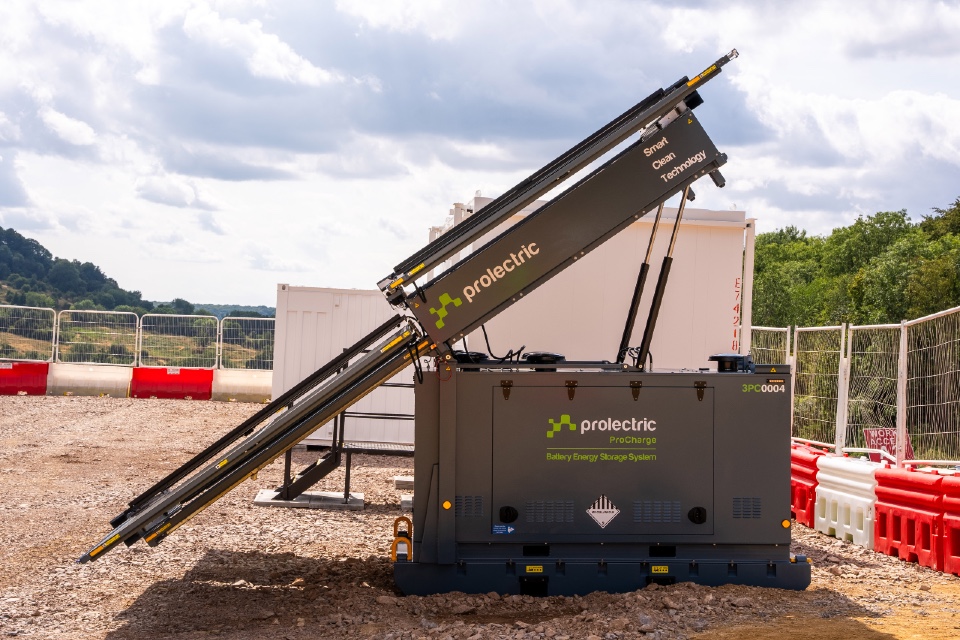
Battery energy storage systems are becoming an increasingly important solution for energy managers looking to manage the variable nature of renewable energy generation. As renewables such as solar and wind generate power intermittently, battery energy storage systems provide a way to capture excess energy, improve grid flexibility and support a more resilient and sustainable energy mix. Let’s explore how this technology is being harnessed across the public and private sectors, while acknowledging the practical and cost considerations that remain.
Benefits of Battery Energy Storage Systems
Battery energy storage systems allow organisations to capture and store excess energy generated during periods of high renewable production. This stored energy can then be released to meet demand during periods of low renewable output, such as windless nights or overcast days.
Energy managers are using battery energy storage systems to deliver several key benefits:
Reducing Reliance on Fossil Fuels
By storing renewable energy, organisations can decrease their dependence on fossil fuel-generated electricity, lowering carbon emissions and supporting a cleaner energy grid.
Lowering Energy Costs
Storing energy during off-peak periods, when electricity prices are typically lower, allows organisations to use stored energy during peak demand periods when prices are higher. This can help reduce energy costs and improve financial efficiency.
Improving Grid Stability and Flexibility
Battery energy storage systems act as a buffer by absorbing excess renewable energy and releasing it when needed. This helps manage fluctuations in supply and demand, improving grid stability and supporting a more flexible energy network.
Applications Across Public and Private Sectors
Battery energy storage solutions are being adopted across a wide range of sectors.
Public Sector Applications
Government buildings, hospitals and schools can use battery energy storage systems to integrate more renewable energy into their operations, improve resilience and reduce energy costs.
Private Sector Applications
Factories, data centres and commercial buildings are adopting battery energy storage systems to take advantage of lower electricity prices during off-peak periods, support renewable energy use and maintain a more reliable power supply.
Practical Considerations for Energy Managers
While the benefits of battery energy storage systems are clear, energy managers need to consider several practical and cost-related factors.
System Size and Capacity
The size and capacity of a battery energy storage system will depend on specific energy consumption patterns, renewable generation levels and the desired level of energy independence.
Technology Selection
Lithium-ion batteries are currently the most widely used battery storage technology, although cost, lifespan and performance remain important considerations when selecting a system.
Deployment and Maintenance
Installation requirements, ongoing maintenance and potential battery degradation over time all need to be considered when assessing the overall cost and long-term value of battery energy storage systems.
The Future of Battery Energy Storage Systems
Despite current cost considerations, the future of battery energy storage systems continues to develop.
Technological Advancements
Research and development efforts are focused on improving battery efficiency, increasing lifespan and reducing production costs, making storage technology more accessible.
Government Support
The UK government continues to introduce schemes and incentives that encourage investment in battery energy storage systems, helping organisations adopt solutions that support a more sustainable energy future.
Building a More Resilient Energy Future
Battery energy storage systems provide energy managers with a powerful solution for navigating the UK’s evolving energy landscape. By enabling greater use of renewable energy, improving grid flexibility and reducing reliance on fossil fuels, these systems can support sustainability goals while helping organisations manage energy costs.
While practical and financial considerations remain, continued innovation and government support mean battery energy storage systems will play an increasingly important role in creating a cleaner, more secure energy future.
Are you looking for energy storage solutions for your organisation? The Energy Management Summit can help!
Photo by Kumpan Electric on Unsplash