For organisations managing large, multi-site estates or critical infrastructure, water is fast-becoming a strategic risk factor. Rising climate pressures, tightening regulation and increasing demand are forcing energy and estates leaders at the Energy Management Summit to rethink how water is managed across their operations. The challenge is not only reducing consumption, but building resilience against disruption, cost volatility and compliance risk…
The growing risk landscape
Across the UK, water stress is becoming more pronounced, particularly in the South and East of England. At the same time, ageing infrastructure, leakage and extreme weather events are increasing the likelihood of supply interruptions and operational disruption.
For critical environments, such as healthcare facilities, manufacturing sites, data centres and large public estates, even short-term water issues can have significant operational and financial consequences.
Regulatory scrutiny is also intensifying, with greater expectations around water efficiency, reporting and environmental impact.
Understanding exposure across the estate
For multi-site organisations, the first challenge is visibility. Water usage, risk and resilience can vary significantly between locations, depending on building type, infrastructure and local supply conditions.
Leading organisations are investing in estate-wide risk assessments, mapping:
- High-consumption sites and processes
- Critical dependencies on water supply
- Locations with higher exposure to scarcity or disruption
This enables more targeted planning and prioritisation.
From efficiency to resilience
While efficiency remains important, the focus is shifting towards resilience planning. This includes:
- Identifying alternative supply options or contingency plans
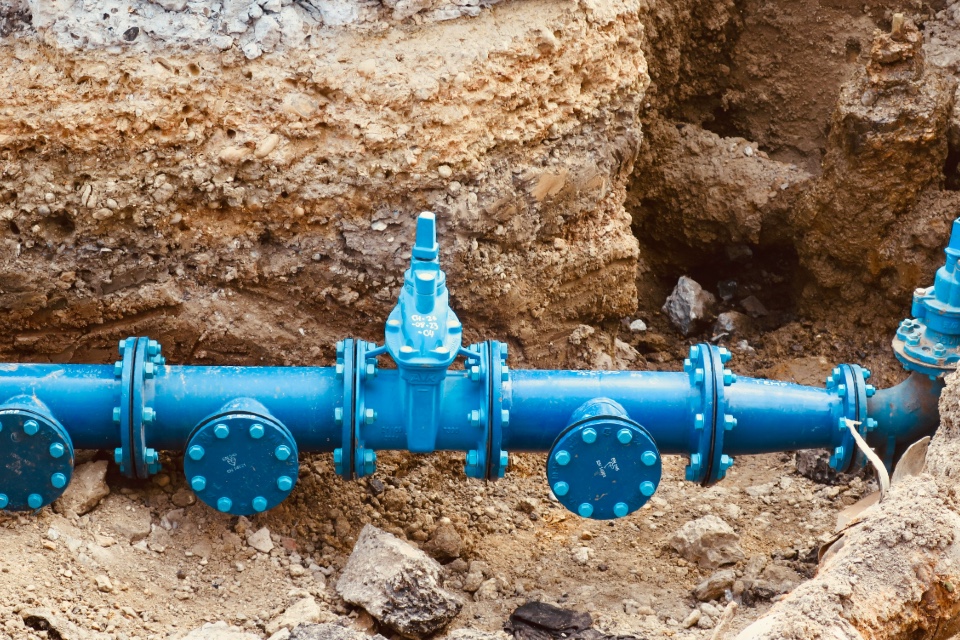
- Upgrading infrastructure to reduce leakage and improve reliability
- Implementing water reuse or recycling systems where feasible
For critical infrastructure, redundancy and backup systems are increasingly being considered as part of broader business continuity planning.
Leveraging data and monitoring
Smart metering and IoT-enabled monitoring are playing a growing role in water management. Real-time data allows organisations to:
- Detect leaks and abnormal usage quickly
- Track consumption trends across sites
- Respond proactively to emerging risks
Integrated with wider energy and FM systems, this data supports faster decision-making and more effective resource management.
Working with the right partners
Given the complexity of water risk, many organisations rely on specialist suppliers. Key considerations include:
- Experience with large, complex estates or critical infrastructure
- Strong data and analytics capabilities
- Understanding of UK regulatory requirements and environmental standards
- Ability to support both efficiency and resilience strategies
Building a resilient future
For energy and estates leaders, water management is becoming an essential part of risk management and sustainability strategy.
By combining better data, targeted investment and strong supplier partnerships, organisations can move beyond reactive management to build resilient, future-ready water strategies, ensuring continuity, compliance and long-term sustainability in an increasingly uncertain environment.
Are you searching for Water Management solutions for your organisation? The Energy Management Summit can help!
Photo by Thomas Kinto on Unsplash