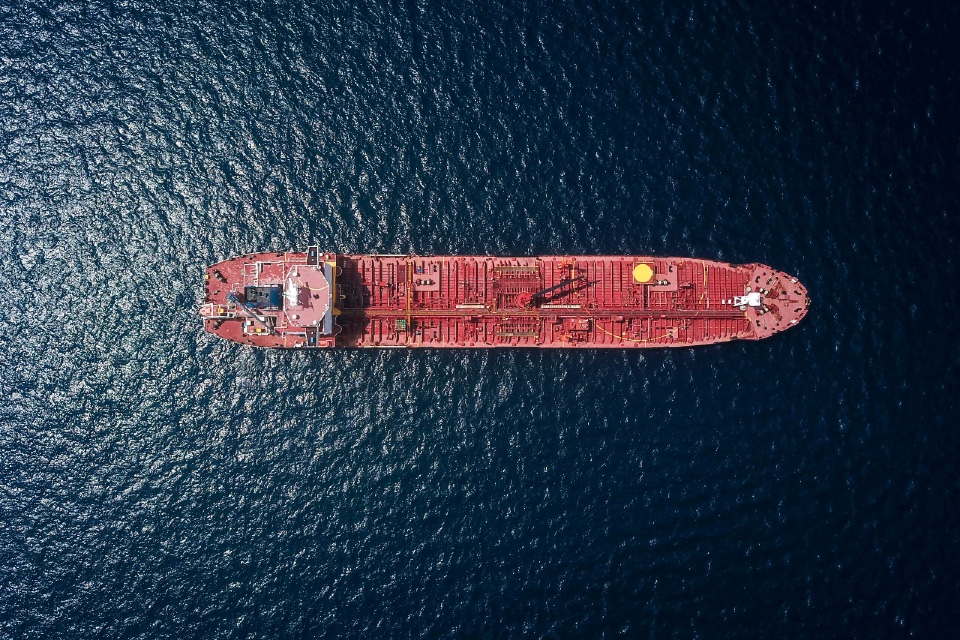
Escalating tensions involving the US, Israel and Iran are driving significant disruption across global energy and logistics markets, increasing the risk of prolonged inflation and weaker economic growth. For energy and FM leaders, the situation reinforces the need for robust energy procurement strategies, supply diversification and scenario planning, as geopolitical instability continues to influence both price volatility and energy security in 2026.
Intelligence firm GlobalData warns that constraints on the Strait of Hormuz, a critical global energy transit route, are creating heightened volatility in oil, gas and shipping markets, with implications for both public and private sector energy management.
Ongoing threats to commercial shipping, alongside rising war-risk insurance premiums and rerouting of vessels, are pushing up the delivered cost of energy and goods. Liquefied natural gas (LNG) prices, freight rates and insurance costs are all increasing across major trade routes, adding pressure to already stretched supply chains.
Ramnivas Mundada, Director of Economic Research at GlobalData, said the disruption is primarily supply-driven. “Even if oil prices stabilise, higher freight costs, longer shipping routes and elevated insurance premiums can keep delivered energy prices high,” he said. “This raises the likelihood of persistent inflation and weaker consumption.”
For energy managers, the impact extends beyond wholesale energy costs. The combination of logistics disruption and supply uncertainty is increasing the risk of delayed deliveries, higher input costs and reduced availability of key fuels and materials.
The analysis highlights differing regional impacts. Energy-importing economies, including major markets in Asia and parts of Europe, are expected to face the strongest inflationary pressures due to rising import costs and currency effects. In contrast, hydrocarbon-exporting countries may see some financial offset from higher energy prices, although these gains are tempered by disruption to trade, aviation and tourism.
For UK organisations, the primary concern is the knock-on effect on industrial costs and energy-intensive operations, with higher import prices likely to compress margins and delay expected easing of inflation.
GlobalData also warns that if disruption persists for several months, the risk of stagflation, characterised by low growth and sustained inflation, will increase, particularly in economies already facing weak demand.
Photo by Shaah Shahidh on Unsplash