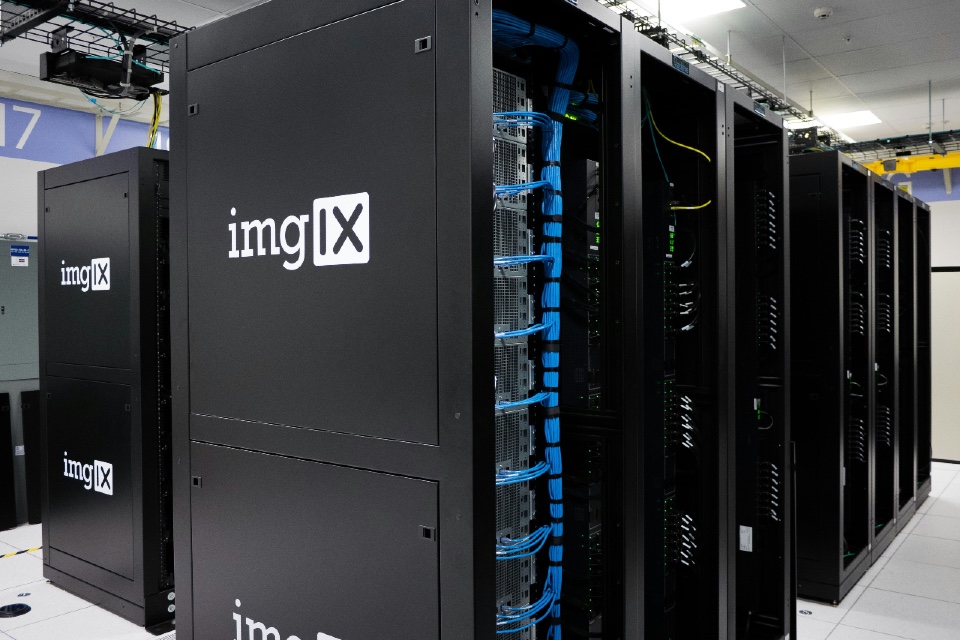
Data is the fuel that powers strategic energy management across the public and private sectors. With decarbonisation targets intensifying and operational budgets under scrutiny, energy leaders attending the Energy Management Summit are under growing pressure to make timely, informed decisions. At the heart of this shift is the need for a robust energy data management system that can deliver real-time insights, compliance-ready reporting, and seamless integration across estates. The right platform should connect with existing systems, including computer-aided facilities management (CAFM) tools and building management systems (BMS), helping organisations automate processes, improve monitoring, and make smarter energy decisions.
But with a crowded marketplace and rapidly advancing technology, how can energy managers ensure they select the right energy data management system?
What to Look for in an Energy Data Management System
Selecting the right energy data management system requires careful consideration of integration capabilities, compliance features, scalability, reporting functionality, and supplier support. The best platforms do more than collect energy data; they provide actionable insights that help facilities teams optimise consumption, reduce emissions, and improve long term energy performance.
Prioritising CAFM and BMS Integration
Interoperability is critical when choosing an energy data management system. The chosen platform must work effortlessly with existing systems, especially computer-aided facilities management (CAFM) tools and building management systems (BMS).
Integration enables automatic data sharing between platforms, reducing manual input errors and unlocking opportunities for automation, predictive maintenance, and centralised monitoring across multiple sites. Open APIs and industry standard data protocols, such as BACnet and Modbus, are essential considerations when evaluating suppliers.
A supplier that can demonstrate successful integrations with existing estate systems will help organisations maximise the value of their energy data and avoid unnecessary disruption during implementation.
Supporting Compliance and Energy Reporting
Regulatory compliance is another key driver when selecting an energy data management system. With evolving legislation like SECR, ESOS Phase 3, and net-zero mandates, the chosen platform must be capable of generating accurate, auditable reports.
It should also support granular emissions tracking, including Scope 1, 2, and 3 data, and align with frameworks such as ISO 50001. Energy managers should look for providers who stay ahead of legislative changes and offer built in templates or automated compliance updates to simplify ongoing reporting requirements.
Real-Time Monitoring and Data Visibility
Real-time visibility has moved from a ‘nice to have’ to a ‘must have’. Energy data management systems should support live data streaming from IoT enabled submeters, sensors, and utility feeds, enabling facilities teams to spot anomalies, respond quickly to issues, and continuously optimise consumption.
When comparing suppliers, energy managers should look for intuitive and customisable dashboards that support both technical users and senior stakeholders who need clear summaries of energy performance.
Scalability and Futureproofing
Scalability and futureproofing are also essential considerations. Whether managing a growing portfolio or planning for net-zero retrofits, an energy data management system should be able to accommodate future expansion.
Look for modular solutions that allow additional features, such as fault detection, asset monitoring, or AI powered analytics, to be added over time. Cloud based systems often offer greater flexibility and reduce the burden on internal IT teams.
Choosing the Right Energy Data Management Supplier
Finally, vendor experience and support remain critical when investing in an energy data management system. Choose a supplier with proven experience in your sector, whether healthcare, education, retail, or commercial property, and strong post deployment support.
Effective onboarding, user training, technical support, and ongoing system improvements all contribute to long term success. A reliable supplier should act as a partner, helping organisations get maximum value from their platform as energy management needs evolve.
Making the Right Energy Data Management Investment
The right energy data management system will not only streamline compliance but also empower teams to optimise energy use, lower emissions, and meet organisational sustainability targets with confidence. By prioritising integration, real-time visibility, scalability, and supplier expertise, energy managers can select a platform that supports smarter decision-making and long-term operational efficiency.
Are you searching for energy data management systems for your organisation? The Energy Management Summit can help!
Photo by Vincent Botta on Unsplash