Artificial intelligence is expected to play an increasingly important role in corporate sustainability, although its growing energy and resource requirements are creating a parallel challenge for businesses, according to new World Economic Forum (WEF) research.
The inaugural Chief Sustainability Officers Outlook, based on responses from 103 sustainability leaders across five continents, found that 73% expect AI to meaningfully accelerate sustainability progress over the next year.
Respondents identified opportunities to use the technology across areas including measurement and reporting, operational efficiency and risk modelling. However, 77% cited the energy and resource intensity of AI infrastructure as its most significant negative impact.
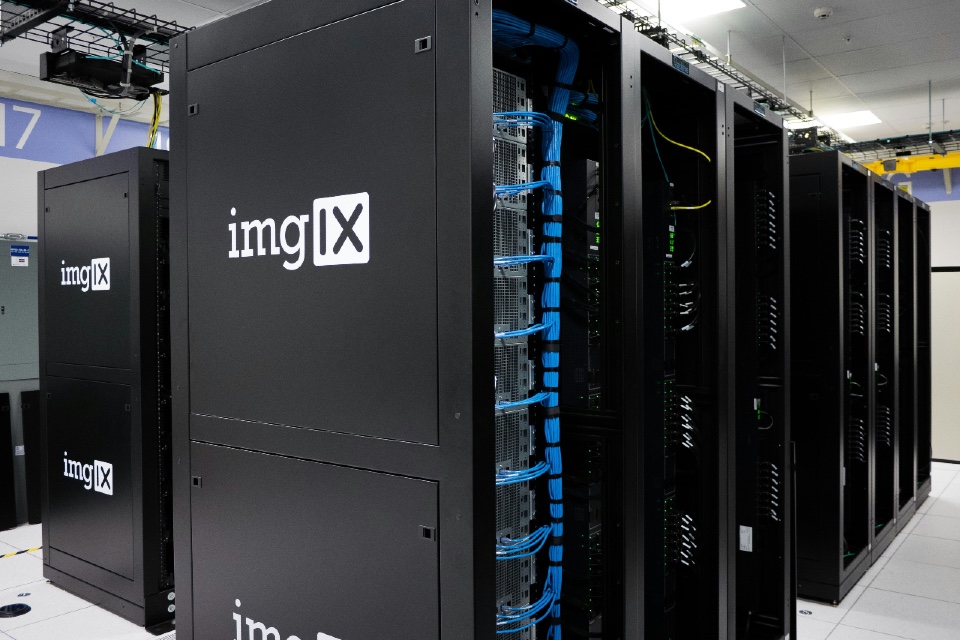
The WEF noted that data centres already account for around 1.5% of global electricity demand, highlighting the need for organisations to consider the energy implications of growing AI adoption alongside its potential efficiency benefits.
More broadly, sustainability investment appears relatively resilient despite economic and geopolitical uncertainty. Some 63% of respondents expect global sustainability progress to remain steady or accelerate during the next 12 months, while three-quarters expect corporate investment connected with the transition to do the same.
A strong economic case was identified as a driver by 64% of respondents, with increasingly applicable technologies cited by 56%.
Climate adaptation is also moving higher up the corporate agenda. Some 85% of sustainability leaders expect adaptation to become a greater global priority over the next three years, with 77% believing private-sector investment will be crucial to scaling activity.
However, making the financial case remains a challenge, with 62% identifying uncertainty around cost-benefit assessments as the main obstacle to adaptation investment.
The findings point towards an increasingly interconnected agenda. Decisions around AI deployment, data infrastructure, energy efficiency and resilience will need to be considered together as organisations seek to demonstrate both the environmental and commercial returns from sustainability investment.
Sebastian Buckup, Managing Director at the World Economic Forum, said the transition was increasingly becoming “a question of execution”, as companies link sustainability strategies more closely with growth, security and resilience.
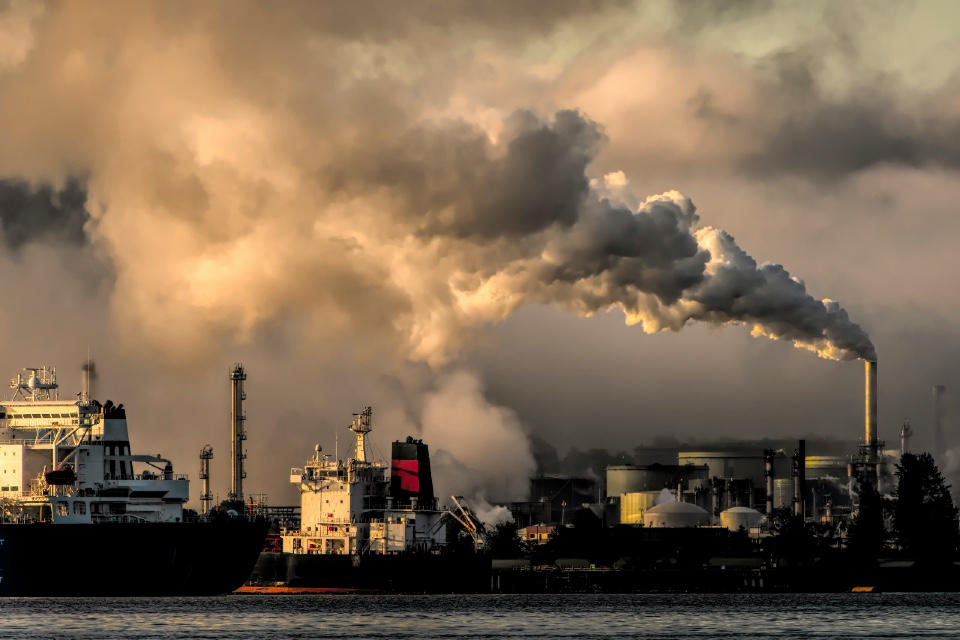
Image credit: https://unsplash.com/photos/industrial-harbor-with-smokestack-pollution-TUJud0AWAPI