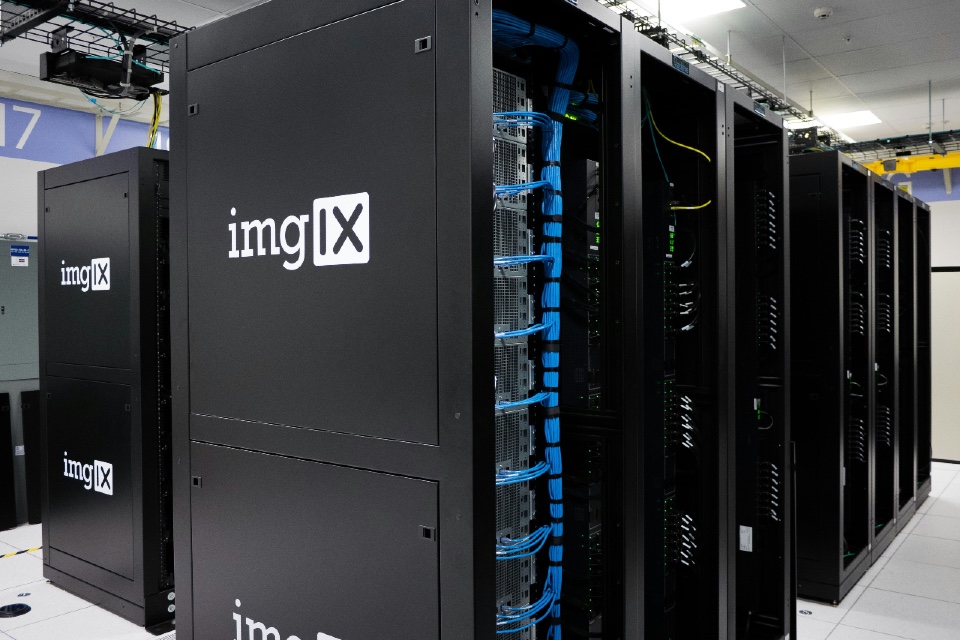
Rapid growth in artificial intelligence is set to significantly increase global electricity demand, placing energy managers under mounting pressure to balance capacity, cost and sustainability, according to new analysis from the International Energy Agency (IEA).
The report, Key Questions on Energy and AI, highlights how surging investment in AI infrastructure is accelerating energy consumption. Electricity demand from data centres rose by 17% in 2025, far outpacing overall global demand growth of 3%, with AI-specific facilities expanding even faster.
By 2030, total data centre electricity use is expected to double, while demand from AI-focused sites could triple.
For energy managers, this growth presents a complex challenge. While the energy efficiency of individual AI tasks is improving rapidly, increased usage and more energy-intensive applications are driving overall consumption higher. At the same time, infrastructure constraints, including grid connection delays, supply chain pressures and planning bottlenecks, are limiting the pace at which capacity can be added.
In response, data centre operators are adopting a range of strategies to secure reliable power. The tech sector accounted for around 40% of corporate renewable power purchase agreements in 2025, while also driving investment in emerging energy sources such as small modular nuclear reactors and advanced geothermal systems.
However, constraints on grid access are also prompting a rise in on-site generation, particularly gas-powered systems. These bring their own challenges, as AI workloads can create highly variable demand profiles that are difficult to manage. As a result, battery storage is emerging as a critical component, enabling greater flexibility and helping to stabilise loads.
The IEA notes that, with the right policies and infrastructure in place, rising demand does not necessarily translate into higher energy prices. However, large, concentrated data centre loads can place significant strain on local networks, requiring careful planning and integration.
For energy leaders, the report also highlights a dual opportunity. While AI is driving demand, it also has the potential to reduce energy costs by up to 10% in some industrial applications, provided organisations can overcome barriers around data availability and digital skills.