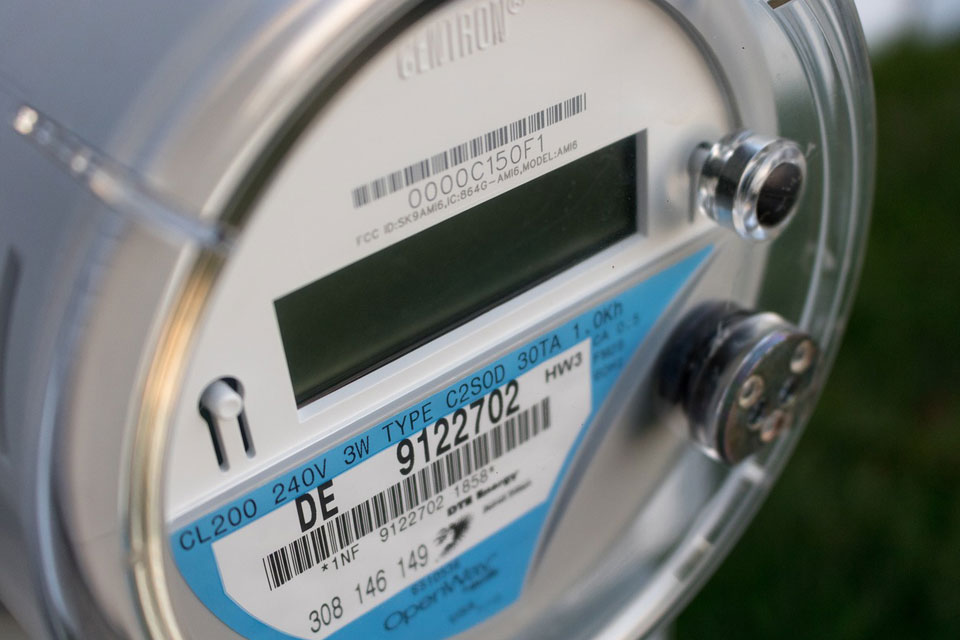
While energy monitoring has long played a role in tracking utility consumption, its true potential is only now being realised through integrated energy monitoring, connecting computer-aided facilities management (CAFM) systems, building management systems (BMS), and automation technologies. This integration is turning passive energy data into actionable insight, enabling automated responses, predictive maintenance, and more strategic facilities planning. For organisations attending the Energy Management Summit looking to improve efficiency and resilience, integrated energy monitoring is becoming essential.
Why Integrated Energy Monitoring Matters
Integrated energy monitoring brings together energy data, BMS, CAFM platforms, and automation to provide a complete view of building performance. Rather than simply collecting consumption data, connected monitoring helps organisations improve operational efficiency, support predictive maintenance, reduce costs, and make more informed facilities management decisions.
From Monitoring to Management
Traditional energy monitoring platforms have typically functioned in silos, offering visibility into electricity, gas, and water consumption across sites. While useful for reporting and bill validation, these systems often lacked real time operational impact.
Now, as more organisations adopt open APIs and interoperable technologies, energy data is being fed directly into CAFM and BMS platforms, unlocking a host of benefits:
✔ Live monitoring dashboards highlight anomalies and inefficiencies in real time.
✔ Automated triggers adjust HVAC, lighting, and other systems based on usage and occupancy.
✔ Performance benchmarking supports smarter asset replacement and investment decisions.
Driving Predictive Maintenance
One of the biggest advantages of integration is the shift from reactive to predictive maintenance. When energy data is layered with asset performance insights from CAFM platforms, facilities teams can:
✔ Identify abnormal energy usage linked to failing equipment.
✔ Predict when systems like boilers, chillers, or air handling units are likely to require servicing.
✔ Schedule maintenance only when needed, rather than relying on fixed schedules.
This proactive approach reduces downtime, extends asset life, and helps allocate maintenance budgets more effectively.
Enabling Strategic Decision Making
By combining energy consumption data with other operational insights from BMS and CAFM systems, organisations gain a comprehensive picture of building performance. This supports:
✔ Carbon and ESG reporting by aligning energy usage with emissions data.
✔ Portfolio wide comparisons to identify underperforming sites or assets.
✔ Smart budgeting and forecasting using historical and predictive trends.
Facilities leaders can use these insights to prioritise upgrades, justify capital expenditure, and align their operations with sustainability goals.
The Future of Integrated Energy Monitoring
Energy monitoring is no longer just about data collection; it is about integration and action. By connecting energy data with CAFM and BMS platforms, organisations can improve efficiency, support predictive maintenance, and make smarter facilities planning decisions based on real-time insight. As connected building technologies continue to evolve, integrated energy monitoring will play an increasingly important role in creating intelligent, responsive buildings that reduce costs, improve operational performance, and support long-term sustainability goals.
Are you searching for energy metering and monitoring solutions for your organisation? The Energy Management Summit can help!